

Care your Kidney
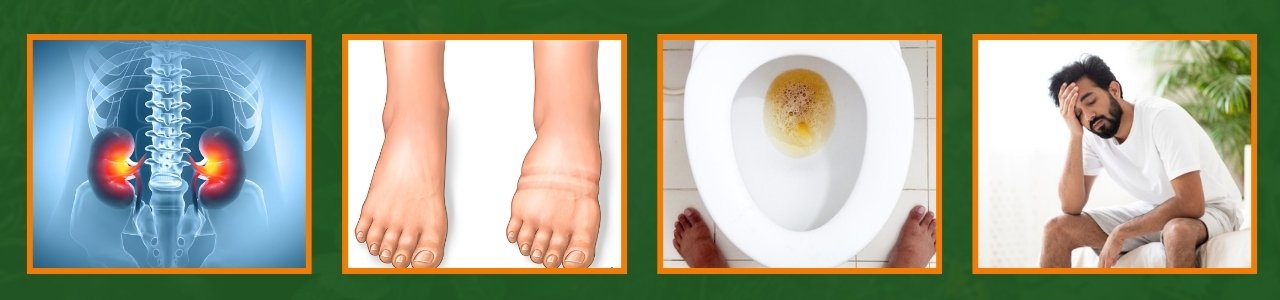
Kidneys are two bean-shaped organs responsible for filtering waste, balancing fluids, regulating blood pressure, and maintaining overall internal harmony. When kidneys become weak, inflamed, overloaded with toxins, or structurally damaged, the body begins to show signs of imbalance. “Kidney Issues” is a broad term that covers several conditions such as chronic kidney disease (CKD), kidney stones, urinary infections, protein leakage, nephritis, weak kidney function, and fluid imbalance. Many people are unaware that kidney issues progress silently—often without noticeable symptoms until the kidney function drops significantly.
Kidney problems can begin due to dehydration, poor diet, high salt intake, uncontrolled diabetes, hypertension, long-term painkiller use, infections, genetics, or lifestyle stressors. If ignored, they can lead to swelling, fatigue, urea buildup, and even kidney failure. Ayurveda views kidneys as vital organs related to Mutravaha Srotas, and considers toxins (Ama), weak digestion, poor hydration, and Vata–Pitta imbalance as the main causes. With early care, natural changes, and personalized Ayurvedic treatment, kidney issues can be managed effectively.
Kidney issues may show mild, moderate, or severe symptoms depending on the stage:
Symptoms
Early-Stage Symptoms
- Constant tiredness or low energy
- Early swelling around eyes
- Reduced appetite
- Mild back or flank discomfort
- Increased or decreased urination
- Foamy urine indicating protein leakage
Moderate Symptoms
- Swelling in feet, ankles, and hands
- High blood pressure
- Frequent urination at night
- Burning urination or cloudy urine
- Nausea or digestion issues
- Muscle cramps
Advanced Symptoms
- Breathlessness even after light activity
- Severe swelling and water retention
- Metallic taste in the mouth
- Extreme weakness
- Skin dryness and itching
- Irregular heartbeat due to electrolyte imbalance
In Ayurveda, the kidneys are part of the Mutravaha Srotas (urinary system) governed by Apana Vata. Kidneys act like natural filters managing fluid, salt balance, and waste elimination. When the body accumulates Ama (toxins) or when Vata–Pitta is aggravated, kidney channels become weak or blocked.
Ayurvedic View
Causes of Kidney Issues
- Ama accumulation due to poor digestion
- Vata aggravation causing dryness and degeneration
- Pitta imbalance leading to inflammation and burning
- Kapha blockage causing swelling and water retention
- Excess salt, preserved foods, alcohol, and cold drinks
- Long-term stress affecting Apana Vata
- Weak Agni (digestive fire) leading to toxin buildup in blood
Root Causes
- CKD (Chronic Kidney Weakness) – Seen as a long-term imbalance of Vata with Ama accumulation
- Kidney Stones – Primarily Pitta and Vata imbalance
- Protein Leakage / Nephritis – Inflammatory Pitta disorder
- UTI / Frequent Infection – Pitta aggravation with low immunity
- Water retention – Kapha imbalance
Ayurvedic Approach
- Strengthen kidney filtration capacity
- Improve digestion & flush Ama
- Reduce swelling and water retention
- Balance electrolytes naturally
- Support urinary flow
- Regenerate kidney tissues (when possible)
- Prevent progression

Ayurveda focuses heavily on diet, as kidneys respond quickly to what we consume
Diet & Lifestyle
Food to Include
- Drink lukewarm water throughout the day & Avoid sudden heavy intake of water—sip gradually
- Coconut water, Barley water, Unsweetened herbal teas
- Gokhru or Punarnava-based herbal infusions
- Lauki (bottle gourd), Tori, Tinda, Parwal
- Apples, papaya, pears
- Moong dal
- Red rice or limited wheat
- Low-salt homemade food
Food to Avoid
- High-salt foods, pickles, papad
- Preserved foods
- Sour curd, heavy dairy
- Tomato, spinach, brinjal (high oxalates for stones)
- Non-veg, especially red meat
- Fried foods, fast food, and bakery items
- Carbonated drinks
- Excess protein powder
- Spinach, Tomato seeds, Chocolate, Nuts (especially peanuts), Beetroots
Lifestyle Changes
- Sleep before 11 PM for kidney restoration
- Avoid excess physical strain
- Do not hold urine for long period
- Manage stress through breathing exercises
- Maintain a light digestive system
- Walk 20–30 minutes daily
- Reduce long-term painkiller usage
- Avoid alcohol and smoking completely
Yoga Asanas
- Pawanmuktasana
- Vajrasana (after meals)
- Malasana (yoga squat)
- Bhujangasana
- Anulom Vilom (pranayama)
- Kapalbhati (if suitable, only under guidance)

Why Choose Khush Ayurveda?
Khush Ayurveda has developed a specialized, result-oriented approach for varicocele based on 35+ years of Ayurvedic expertise and over 8 lakh successful patient treatments. Patients trust us because:
✔ Non-Surgical, Root-Cause Treatment
While surgery is commonly recommended, many patients still experience recurrence. Khush Ayurveda focuses on strengthening the veins and restoring natural function without surgery.
✔ Personalized Consultation by Senior Ayurvedic Doctors
Each case of varicocele differs in severity and symptoms. Our experienced doctors provide a customized treatment plan based on the patient’s condition, lifestyle, and body constitution.
✔ Pure, Potent Herbal Medicines
Our medicines are made under strict quality standards and contain herbs known to support reproductive health, reduce inflammation, and improve circulation.
✔ Improvement in Sperm Count, Motility & Fertility
Our treatment not only addresses varicocele but also improves semen parameters for couples trying to conceive.
✔ Complete Support – Diet, Yoga, and Lifestyle Guidance
We provide a full package that includes dietary recommendations, yoga asanas, and lifestyle changes essential for long-term healing.
✔ Excellent Patient Support System
From consultation to delivery, our team is available for continuous guidance and follow-up.
Expert Ayurvedic Practitioners
Personalised Treatment Plans
Specialists in Chronic Diseases
Pan-India Consultation & Support
Govt-Approved & Authentic Ayurveda
Trusted by Thousands of Patients
Treatment Process
Our treatment process is simple, convenient, and patient-friendly. You don’t need to visit the clinic physically.
Step 1 – Call Us
Patients call our helpline number.
Step 2 – Direct Consultation with Doctor & Health Expert Team
Our senior Ayurvedic doctors personally attend the call along with the health expert team.
During the call, they listen to symptoms, discuss reports (if available), and ask relevant questions to understand the condition deeply.
Step 3 – Personalized Recommendation of Medicines, Diet & Yoga
Based on the conversation, our team prepares a customized treatment plan:
- Ayurvedic medicines
- Diet chart
- Yoga and lifestyle guidance
- Follow-up instructions
Step 4 – Confirmation Call
After the treatment plan is finalized, our confirmation department contacts the patient to confirm their order and address any queries.
Step 5 – Order Dispatch
Once confirmed, the medicines are packed and dispatched safely to the patient’s location.
Step 6 – Delivery & Support
The order is delivered to the patient’s home, and our team remains in touch for regular support and follow-up.

FAQs
Kidney issues can occur due to high BP, diabetes, dehydration, salty foods, poor lifestyle, infections, stones, or long-term painkiller use. Ayurveda identifies toxin buildup and Vata–Pitta imbalance as major causes.
Yes. Ayurvedic herbs help reduce toxins, support filtration, improve urinary flow, reduce swelling, and prevent further kidney damage.
Ayurvedic treatment uses natural herbs and is generally safe when supervised by qualified experts. It avoids heavy metals and harsh ingredients.
Mild-to-moderate kidney issues respond very well to Ayurveda. Advanced stages can be managed to slow progression, reduce symptoms, and improve quality of life.
Yes. Herbs like Punarnava, Gokhru, Varun, and Daruharidra are known to help reduce fluid retention and toxin buildup, supporting better kidney filtration.
Avoid salt-heavy foods, pickles, papad, processed foods, tomatoes, spinach (for stones), tea, coffee, alcohol, and high-protein diets.
Many small-to-medium kidney stones can be dissolved or flushed naturally through Ayurvedic medicines and proper hydration.
Early cases show improvement in 2–4 weeks. Chronic cases may require 3–6 months of continuous care.
Yes. Ayurveda treats UTIs by reducing inflammation, improving immunity, and balancing Pitta, the dosha responsible for burning sensations.
Yes. Stress disturbs Apana Vata, which weakens kidney channels and affects filtration and urinary balance.
Yes, many herbs support both BP and diabetes, which indirectly improves kidney health.
Kidney support often requires consistent care. Once values stabilize, maintenance doses or diet management may continue.